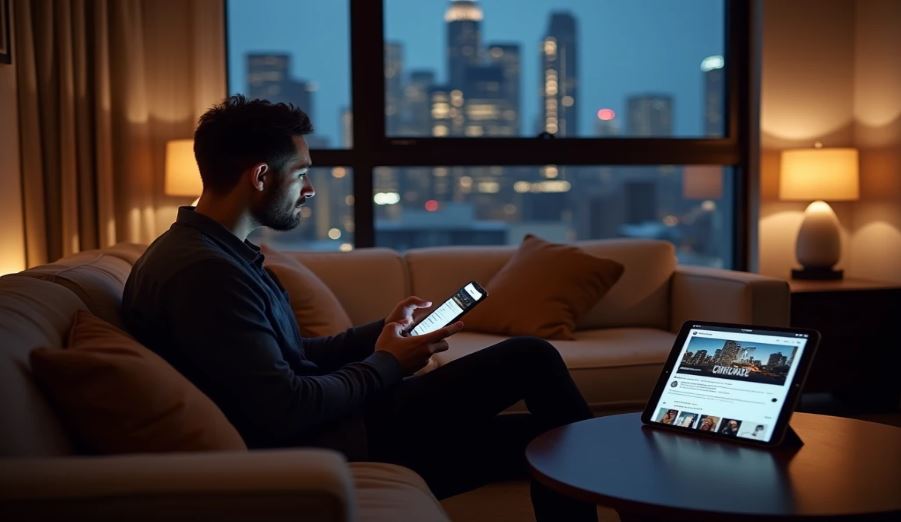
On a Friday evening in River North, many people do not walk into a venue blindly. They scroll first. Instagram stories, TikTok clips, and nightlife blogs become the starting point of the night. A user might compare club interiors, check event recaps, and browse VIP booking options before leaving home. During that same decision flow, while switching between nightlife directories and curated event listings, someone can come across profiles labeled escort chicago within adult media platforms. The action is practical and sequential: review, compare, evaluate availability, decide. Digital exposure shapes expectations long before the first drink is ordered. In Chicago, media is not just commentary on nightlife. It actively constructs how adult experiences are discovered and selected.
Digital Platforms Shaping Chicago’s Adult Night Scene
Social platforms and search-driven directories now determine which venues and services gain visibility. Instagram highlights curated aesthetics, TikTok amplifies quick impressions, and local nightlife blogs offer longer reviews that build context. The Loop, River North, and West Loop nightlife districts frequently trend because of high content output rather than just foot traffic.
Short-form video plays a central role. Reels and clips show lighting, crowd energy, and VIP sections. These visuals reduce uncertainty and encourage booking decisions. At the same time, SEO-optimized directories rank for nightlife-related searches and guide users toward specific providers.
Key media drivers include:
-
Venue walkthrough videos
-
Influencer nightlife recaps
-
Sponsored event previews
-
Search-optimized nightlife guides
Each channel works together to increase exposure and create familiarity before in-person interaction occurs.
Platform Fragmentation and Multi-Channel Visibility
Chicago’s adult nightlife media space is no longer centralized in one dominant platform. Visibility is fragmented across Instagram, TikTok, Google search results, niche directories, and private messaging groups. Users rarely rely on a single source. Instead, they cross-check venues, compare visual content, and move between platforms before making a decision. A club might trend on TikTok while a private event gains traction through Telegram groups. Search engines still capture high-intent queries, especially from users actively planning their evening. This multi-channel presence increases exposure but also raises competition. Brands and profiles that maintain consistency across platforms gain stronger recognition. Fragmentation has not reduced influence; it has intensified the need for coordinated digital presence and clear positioning within Chicago’s nightlife ecosystem.
Influencer Culture and Audience Trust
Chicago’s nightlife ecosystem increasingly relies on personalities who document their experiences. Micro-influencers often have stronger local credibility than national accounts. Their followers view them as insiders who test venues and share honest impressions.
Smaller creators frequently promote private events or exclusive access opportunities. Trust builds through repetition and consistent storytelling rather than aggressive advertising. Followers observe real-time experiences and use that content to guide their own choices.
Typical influencer-driven strategies include:
-
Sponsored venue visits
-
Limited-access event promotions
-
Real-time story coverage
-
Community chat groups for nightlife updates
The result is a network effect. Audiences rely on familiar voices, and venues rely on audience transfer.
Data-Driven Promotion and Targeted Visibility
Behind visible content lies structured advertising. Geo-targeted ads reach users searching for nightlife options near downtown. Retargeting campaigns remind visitors of profiles they previously viewed. Algorithms detect engagement patterns and surface similar content.
Behavioral signals such as location check-ins, search queries, and video watch time influence what appears in feeds. If a user interacts with River North club content, related adult nightlife listings become more visible.
Timing also matters. Promotions intensify on Thursdays and Fridays when intent is higher. Brands adjust messaging based on traffic data, booking peaks, and engagement spikes.
Media strategy is no longer random exposure. It is calibrated to user behavior and evening decision cycles.
Visual Branding and Reputation Management
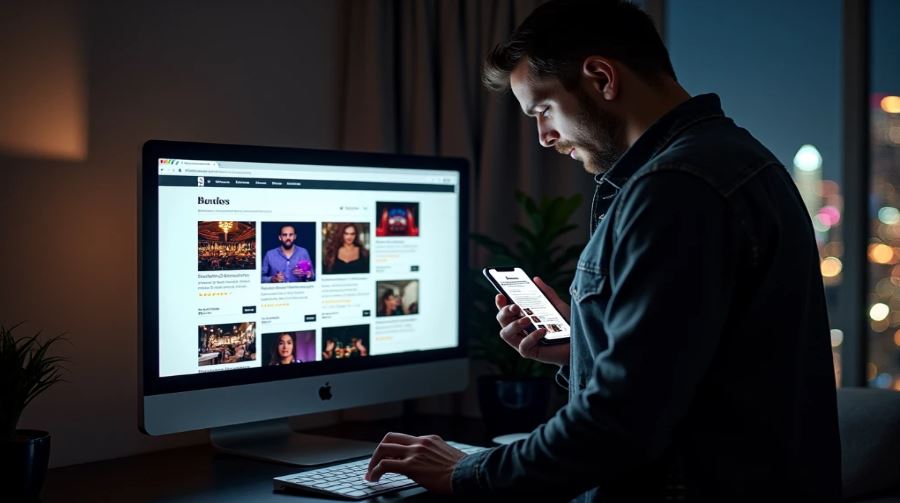
In Chicago’s adult nightlife space, image quality signals professionalism. High-resolution photography, consistent lighting, and curated presentation affect credibility. Profiles with cohesive visual identity perform better in search results and social feeds.
Reputation management operates continuously. Reviews, comments, and social mentions shape perception in real time. Quick responses to feedback maintain trust and visibility.
Essential reputation practices include:
-
Monitoring online mentions
-
Responding to reviews promptly
-
Updating outdated media
-
Refreshing visual assets regularly
Consistency reduces uncertainty and strengthens long-term positioning.
Media as the Gatekeeper of Modern Nightlife
Chicago adult nightlife no longer depends solely on physical location or word of mouth. Discovery begins online, guided by influencers, directories, targeted ads, and algorithmic recommendations. Users compare options digitally before stepping outside. Visibility, presentation, and timing determine which venues or services gain attention. In this ecosystem, media is not a secondary layer. It is the infrastructure that directs choice, shapes expectations, and ultimately defines how adult nightlife is experienced across the city.
Comments